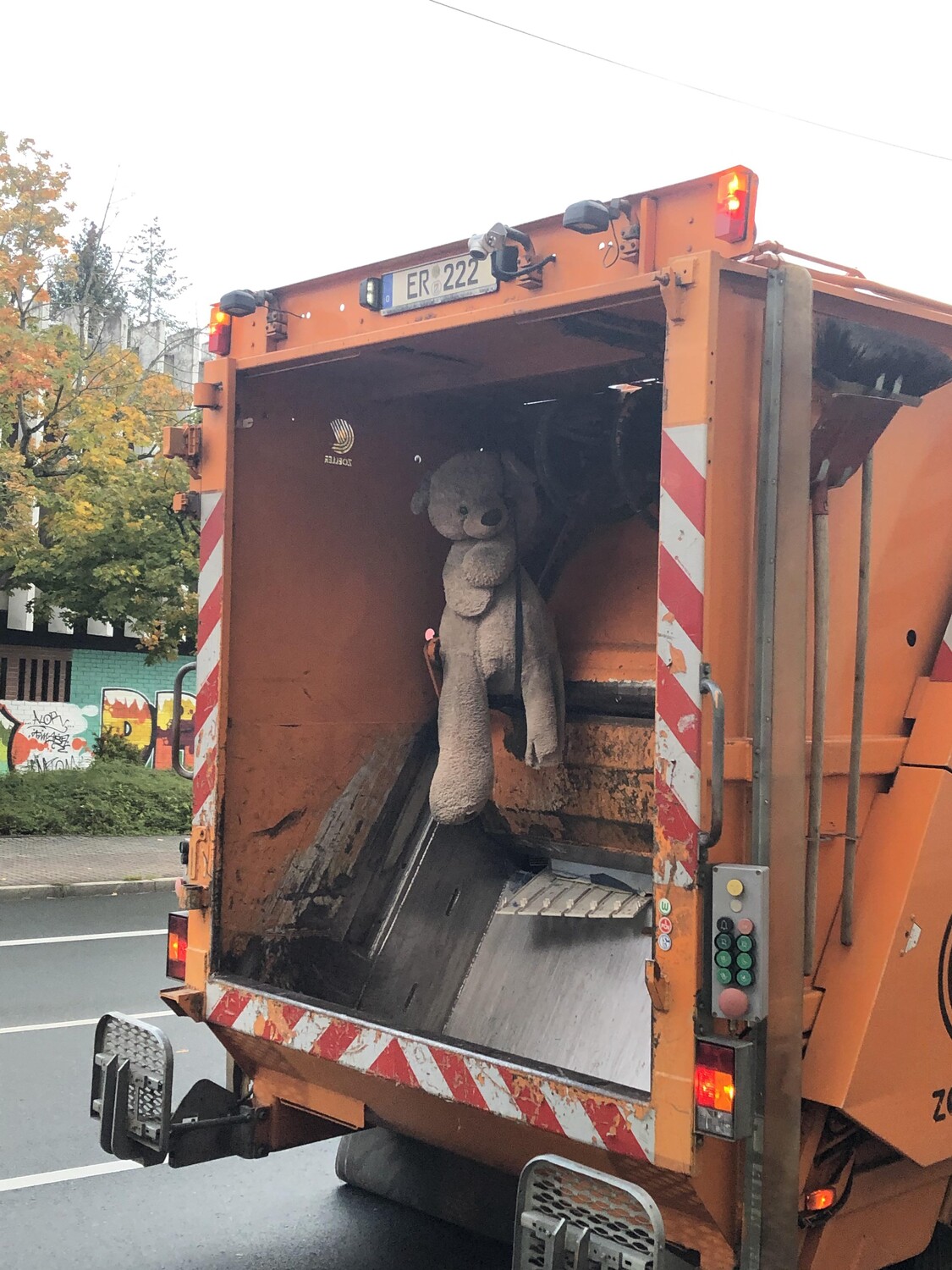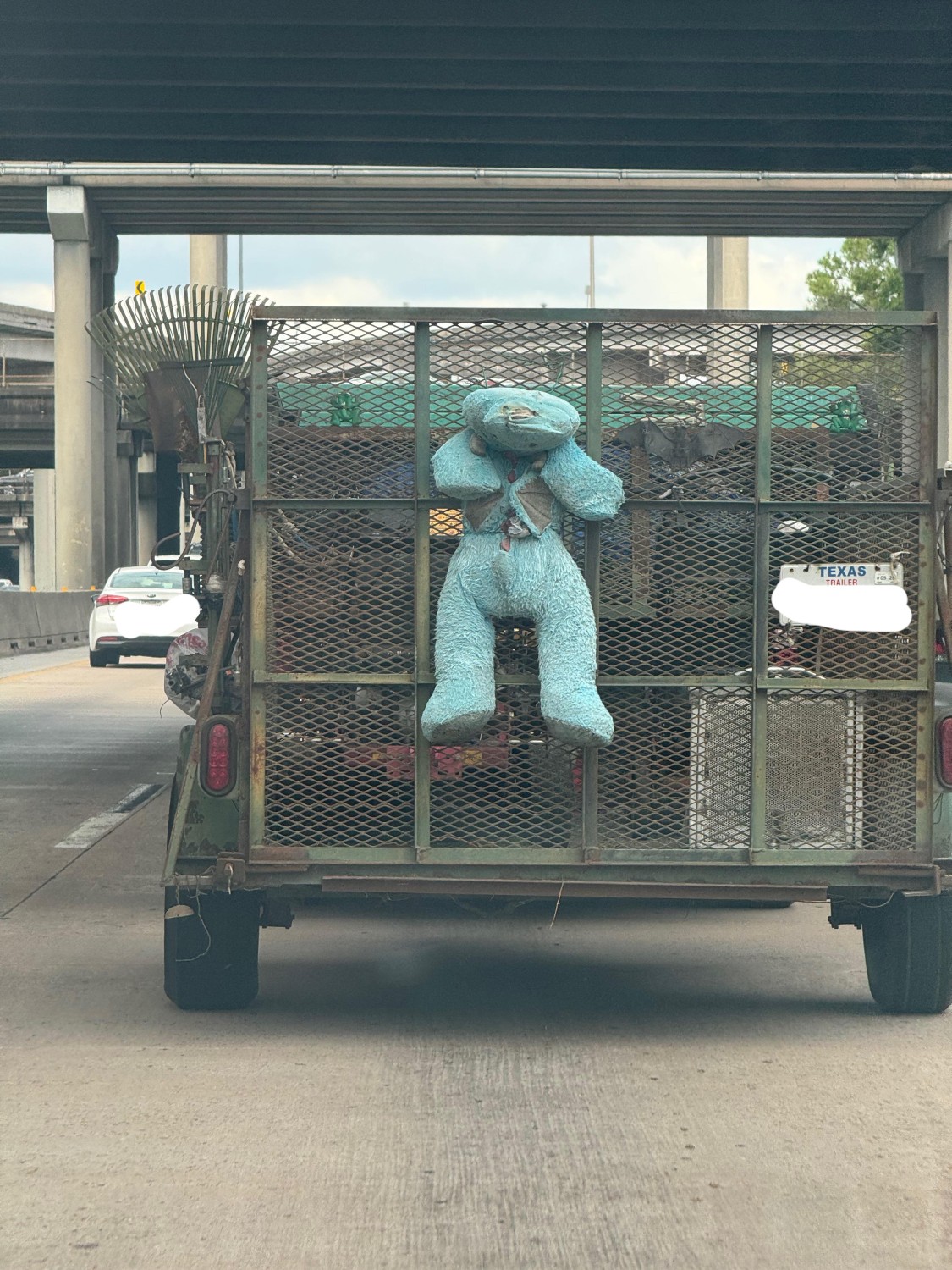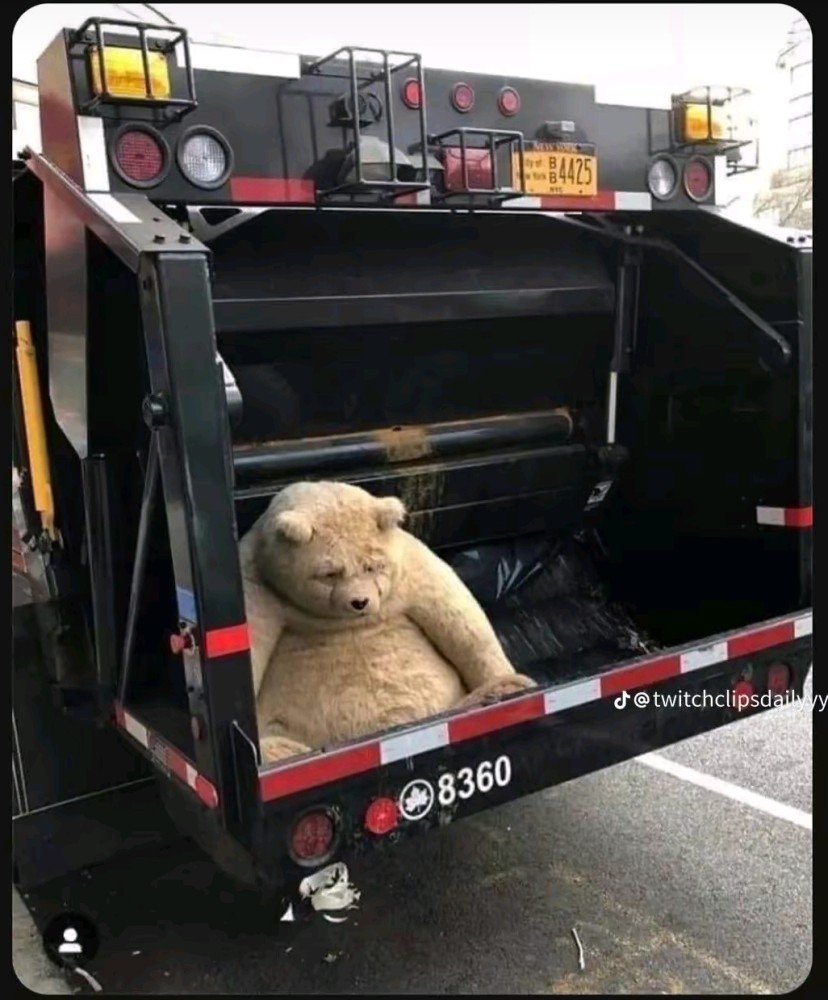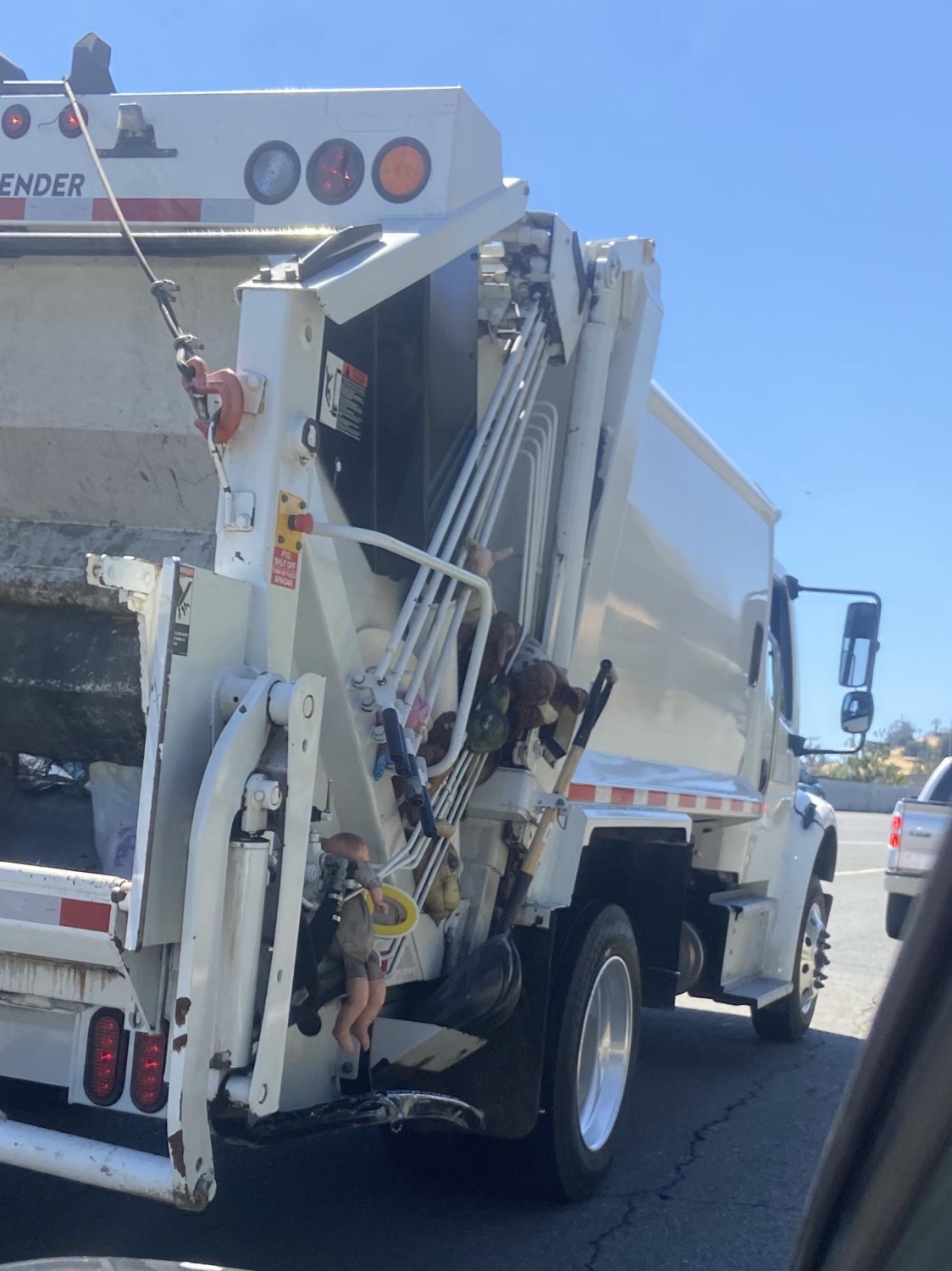
This is not random!
A quick web search revealed something fascinating. This was not random. People around the world had noticed. Questions popped up, forums buzzed with theories. Travel blogs mentioned sightings. Analysis of several major conversations about this phenomenon reveals compelling patterns:
Global Reach/Conversations
- Mumbai, India : 1,132 upvotes
- United States : 213 upvotes
- United Kingdom : 178 upvotes
- Various locations : Combined 500votes
The internet had already tried to solve this mystery. But most explanations seems incomplete.
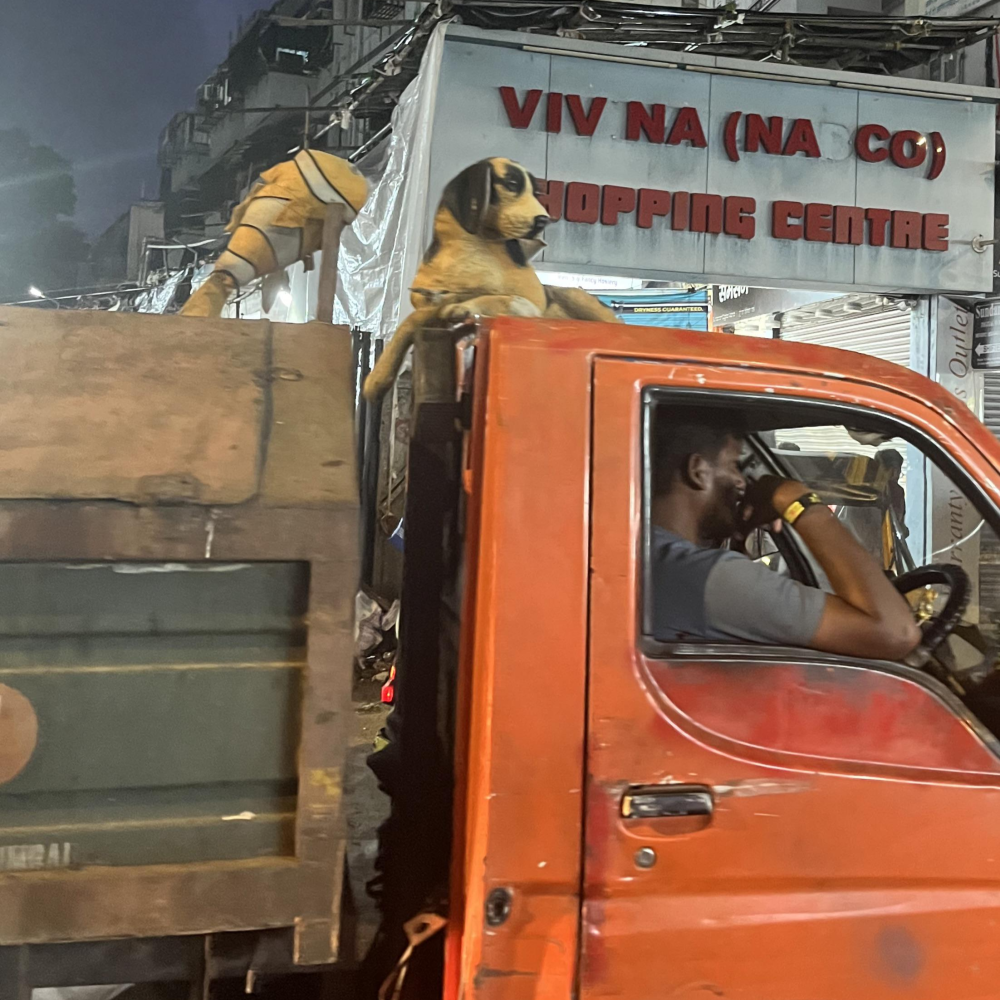
Mumbai garbage truck
The Question That Broke the Internet
On Reddit, a simple observation sparked intense debate. A Mumbai resident noticed every garbage truck in his neighborhood carried soft toys. The question received thousands of upvotes. The responses revealed something profound about modern work and human nature.
The crowd offered theories. Bird deterrent. Good luck charm. Marketing gimmick. Then someone who actually knew answered.
The Real Story From the Source
Someone with experience with these trucks set the record straight. Simple words. Profound truth
The drivers under these contractors are mostly from UP and Bihar (migrant from other parts of India) and they live far from their families, The separation plus workload makes them have a soft spot for these cute little animals. Each truck has 10 tonne capacity and 4 labourers are supposed to fill the truck fully in 6 hours time. It’s a hard and dirty job so we find a little bit of comfort seeing them
The Global Canvas of Comfort
This practice spans continents. From New York City sanitation trucks to Thai delivery vehicles . Each culture adds its interpretation, but the core motivation remains consistent.
Analysis also reveals the pattern extends across industries. Long-haul truckers display rescued toys as travel companions. Construction workers mount mascots on equipment.
Is there a common thread? Jobs that isolate workers from human connection. Labor that society often overlooks. Work environments where a small gesture of humanity becomes essential survival.
The reasons cited by why these workers put Toys on Trucks:
- Emotional Comfort (32% of mentions) : Workers dealing with separation from families. Migrants far from home. People doing hard, lonely work.
- Found Object Stories (28% of mentions) : Toys discovered in trash. In yards. Too cute to throw away. Given second lives.
- Safety and Visibility (18% of mentions) : Bright colors catching driver attention. Preventing accidents. Saving lives.
- Workplace Culture (12% of mentions) : Team mascots. Shared jokes. Building bonds between coworkers.
- Practical Function (10% of mentions) : Cushioning trailer gates. Protecting equipment. Solving everyday problems.
The Toy Story Connection
Something interesting emerged from the conversation & mentions data. Many people mentioned Toy Story 3. The movie ends with the villain bear strapped to a garbage truck. People said this normalized the practice. Made it culturally acceptable.
But the data shows this practice existed long before 2010. The New York Times wrote about it in 2005. Reddit threads from 2009 discuss it.
The movie did not create the behavior. The movie reflected something that was already happening.
The Transitional Objects
There is concept called “transitional objects” to describe how children use stuffed animals and blankets to cope with separation from caregivers. The object bridges the gap between inner security and external uncertainty.
Adults never truly outgrow this need. In high-pressure occupations, workers intuitively recreate childhood coping mechanisms.
A garbage truck becomes a mobile workspace. The cab serves as office, break room, and sometimes sleeping quarters. Decorating this space with personal items transforms an industrial tool into something approaching home.
The Rescue Narrative
Many workers specifically choose discarded toys found during their routes. This creates a powerful psychological dynamic. The worker saves the toy from destruction. The toy, in return, provides companionship.
This rescue narrative carries deep meaning. Sanitation workers often feel society discards them too. By saving abandoned objects and giving them new purpose, workers symbolically assert their own value. The practice becomes an act of mutual salvation.
A New York Times investigation documented this phenomenon extensively . Reporters found workers who named their rescued toys, covered them during harsh weather, and spoke to them during long shifts. One driver protected his cloth doll from damage when hauling rough materials, calling her “pretty” and expressing genuine care.
Cultural Variations on Universal Themes
Southeast Asian drivers hang toys to appease roadway spirits. Latin American truckers blend festive aesthetics with practical superstition. British sanitation workers face company policies banning the practice for safety concerns.
Yet beneath cultural differences lie universal human needs. Comfort during isolation. Identity expression in standardized environments. Meaning creation within repetitive labor.
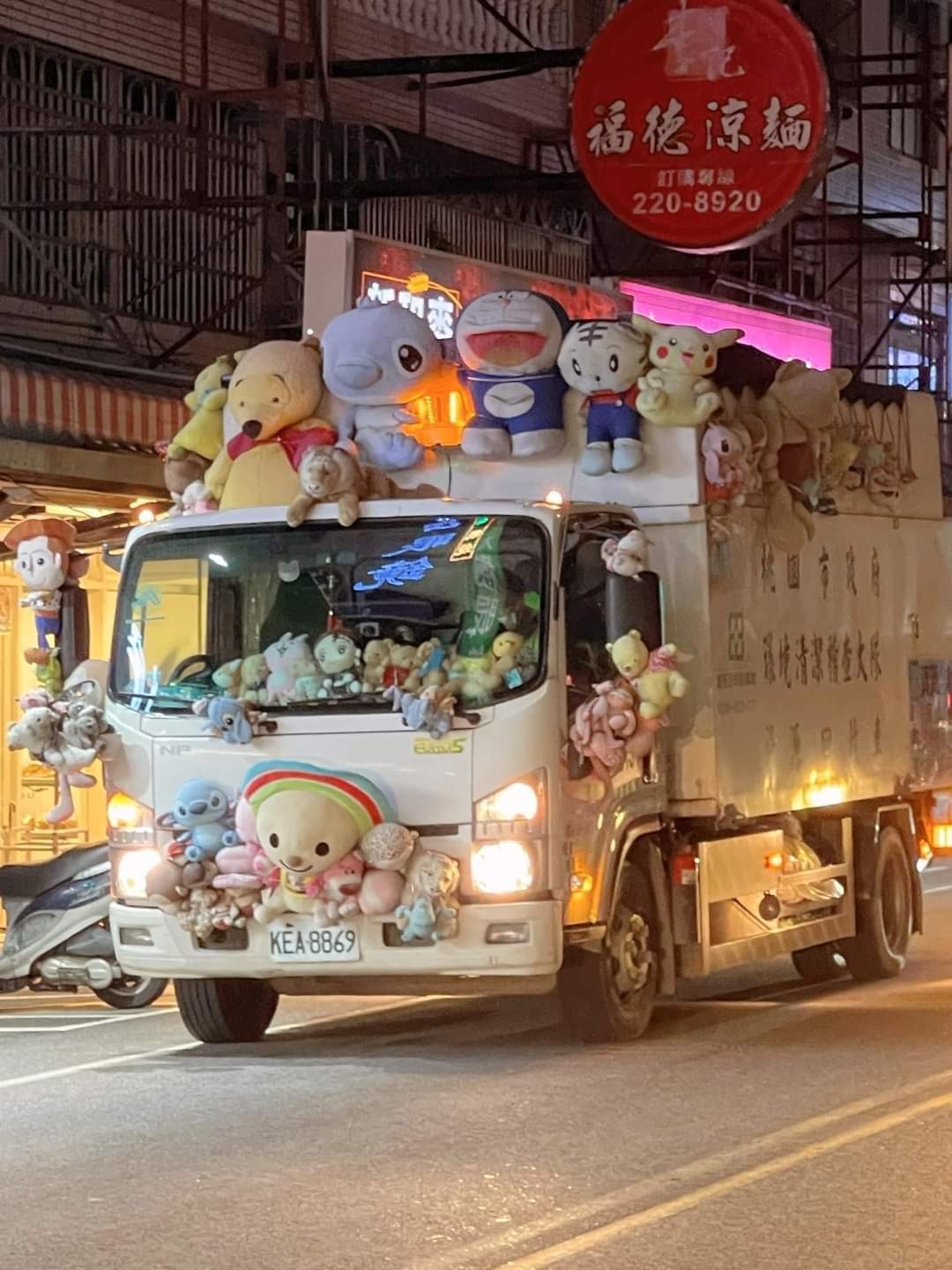
This garbage recycling truck in Taiwan adopted all the abandoned plushies
The Deeper Truth About Modern Work
The stuffed animal phenomenon reveals gaps in how society thinks about labor. Productivity metrics measure output. Efficiency studies optimize processes. Safety protocols protect bodies.
But who protects souls? Workers carrying toys on trucks signal probably unmet social needs. Isolation in mobile workspaces. Emotional labor in physically demanding jobs. The human requirement for meaning within mechanical systems.
Companies investing in worker well- being might consider what these simple gestures communicate. When people resort to rescued toys for comfort across the continent, either something is at miss on large scale or its just joy of keeping them.
The Images Tell the Story